
If you’ve walked into a glossy garage, a spotless warehouse, or a facility that just feels solid and dust-free underfoot, you’ve probably stood on epoxy flooring. It’s not just regular paint — and it’s definitely not a trend. Epoxy floors are known for their strength, ease of maintenance, and ability to withstand whatever life (or a forklift) throws at them.
But what is epoxy flooring, really? How is it different from paint or concrete sealers? And why do business owners, homeowners, and contractors turn to it again and again?
This guide walks you through everything you need to know — starting from the chemistry, right down to where and why epoxy flooring makes sense.
What Is Epoxy?
Before we get into the flooring, we need to answer a simple question: What is epoxy?
Epoxy is a two-part resin system made of:
- Epoxy resin (Part A)
- Hardener (Part B)
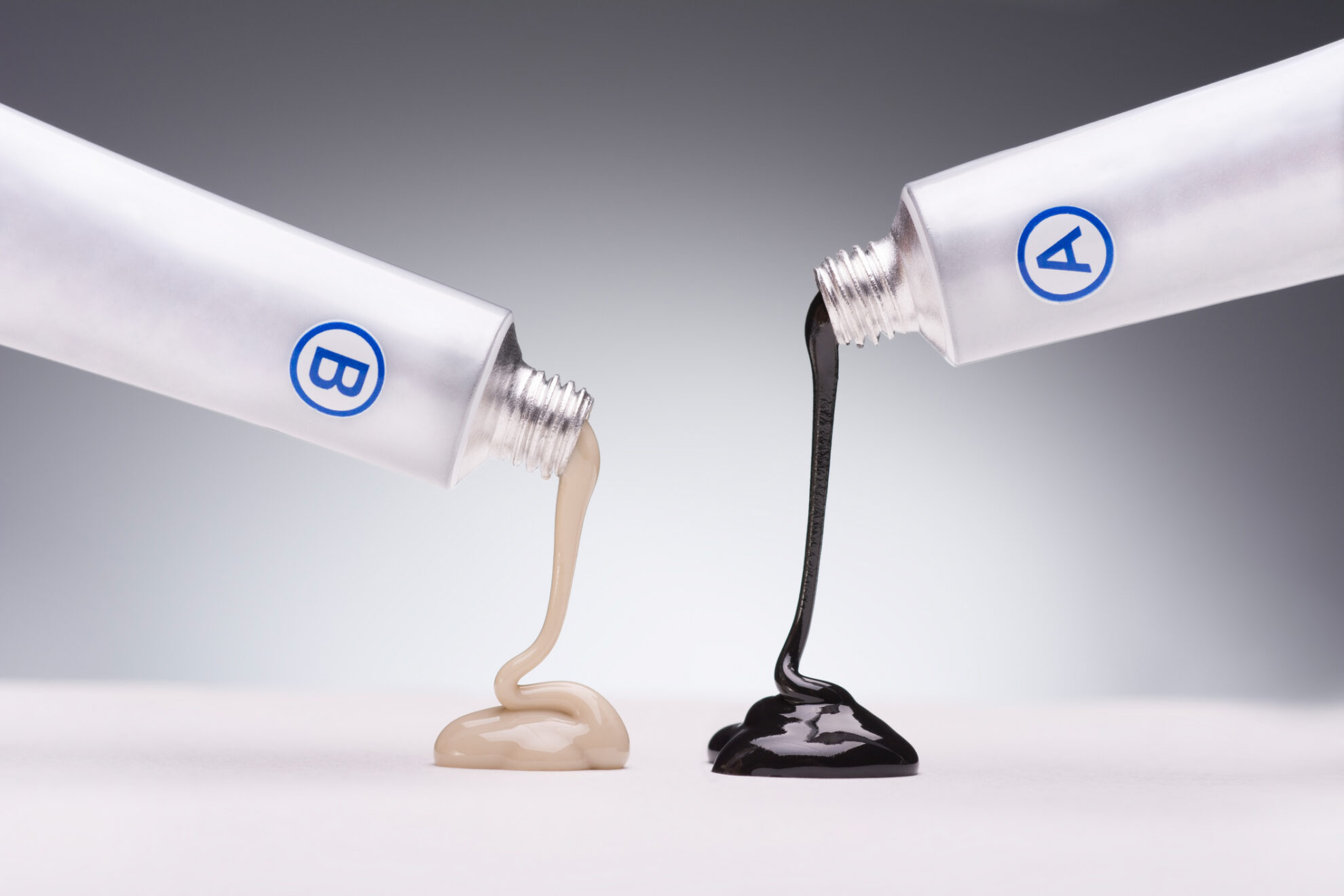
When combined, these components trigger a chemical reaction that cures into a rigid plastic material — one that’s incredibly adhesive, chemical-resistant, and tough under pressure. Once it cures, epoxy forms a non-porous, highly durable surface that bonds permanently to materials like concrete, wood, or metal.
What Is Epoxy Made Of?
Most systems are based on a reaction between epichlorohydrin and bisphenol-A or F, forming a polymer. The hardener (often an amine) activates the curing process.
Epoxy isn’t just used for floors. You’ll find it in industrial coatings, construction adhesives, marine applications, electronics, and even art.
So, what is epoxy used for? Pretty much everything that needs strength and durability — from boats to basements.
What is Epoxy Flooring
With the chemistry out of the way, let’s move on to the practical side: what is epoxy flooring?
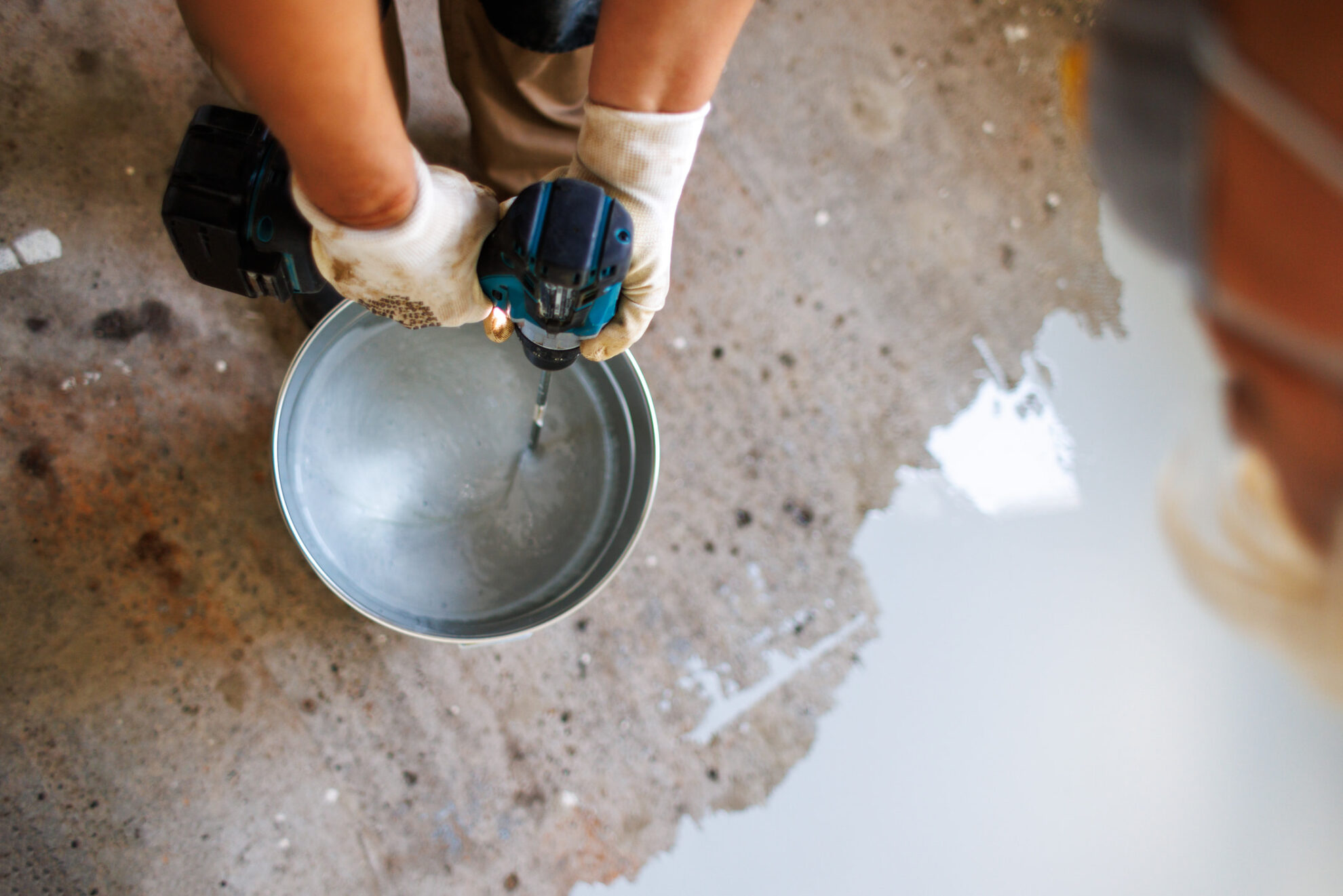
Epoxy flooring refers to any concrete surface that’s been coated with an epoxy resin system. These floors aren’t just painted — they’re chemically bonded to the slab, creating a dense, smooth, and durable layer that resists wear, stains, water, and chemicals.
You’ll often hear similar terms used:
- Epoxy floors
- Epoxy resin flooring
- Epoxy floor coating
- Epoxy concrete
- Garage epoxy
Each refers to systems built with the same foundation: epoxy resin over a prepared concrete base. The difference lies in how thick the system is, and how many layers are involved.
The result? A strong, seamless floor that works in industrial, commercial, and residential spaces alike.
What is Epoxy Coating?
Not every epoxy floor is built the same. In fact, one of the most common questions is: what is epoxy floor coating?
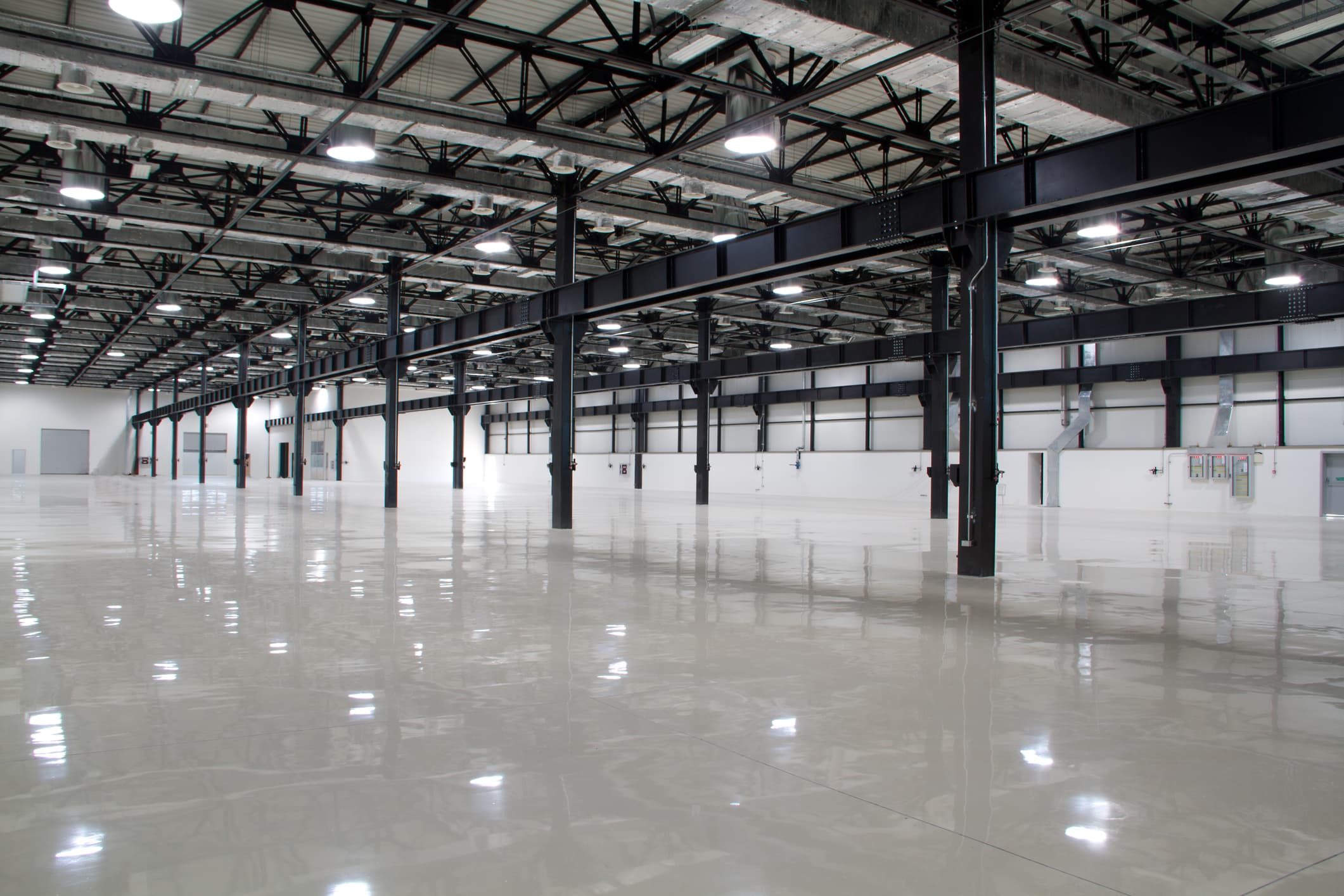
Epoxy coatings are thin systems, often between 2–3 millimeters thick, used as a protective and decorative top layer. These coatings provide a glossy, chemical-resistant finish that helps protect concrete from staining, cracking, or moisture damage.
You’ll see epoxy coatings used in:
- Garages
- Workshops
- Retail spaces
- Home basements
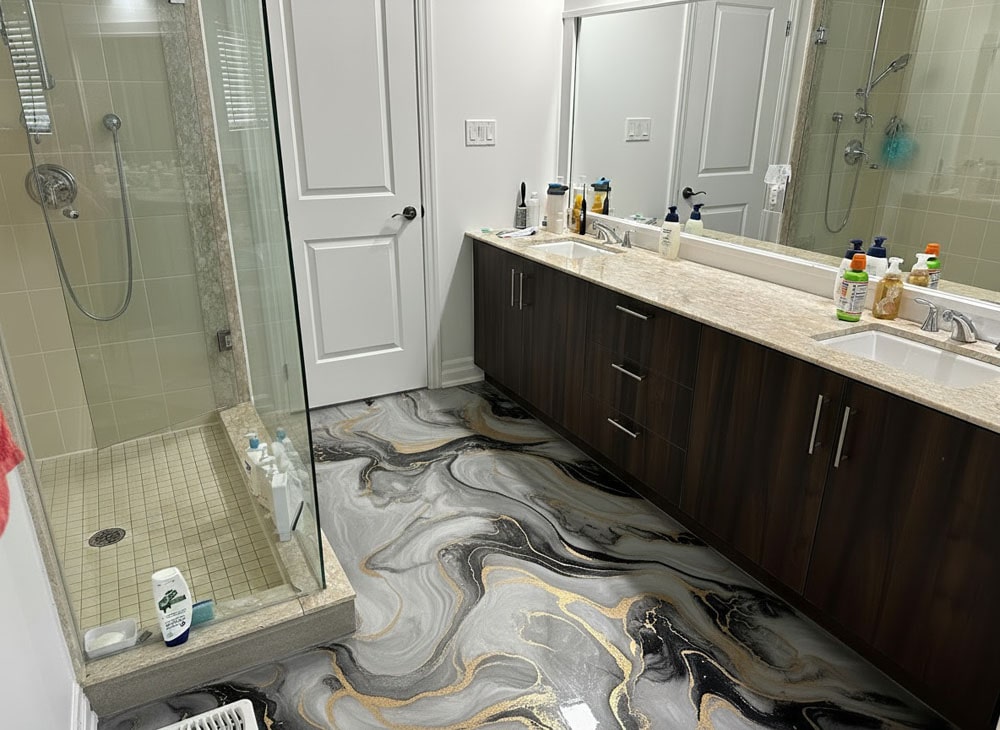
- Bathroom flooring
- Kitchen flooring
While they’re thinner than industrial-grade floors, epoxy coatings still offer plenty of strength for light to moderate use. And when applied correctly, they can dramatically improve the look and performance of basic concrete.
In short, coatings are great for general protection — but for heavy-duty areas, a full epoxy flooring system (with primers, aggregates, and multiple layers) may be better suited.
What is Epoxy Flooring Used For?
So why is epoxy flooring such a go-to in commercial and industrial environments?
Because it’s part of a group known as resinous flooring systems — meaning these floors are built from high-performance liquid resins that cure into a hard, bonded layer. Epoxy is the most common type, known for its durability, ease of cleaning, and long service life.
Here’s where you’ll commonly see it:
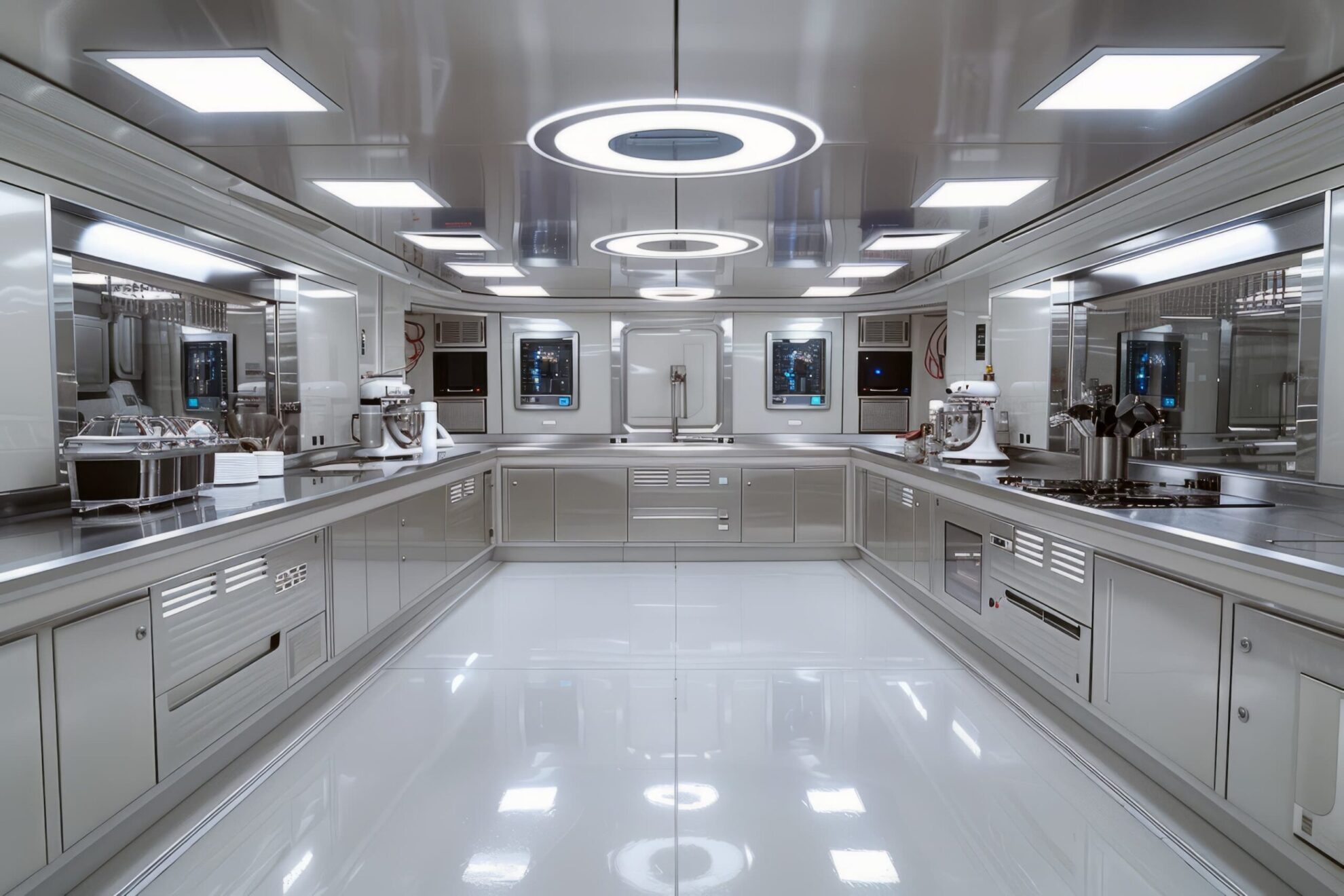
- Commercial kitchens – Stands up to spills, heat, and heavy foot traffic
- Warehouses and factories – Handles forklifts, oil, and abrasions
- Medical facilities and labs – Seamless finish with no gaps for bacteria
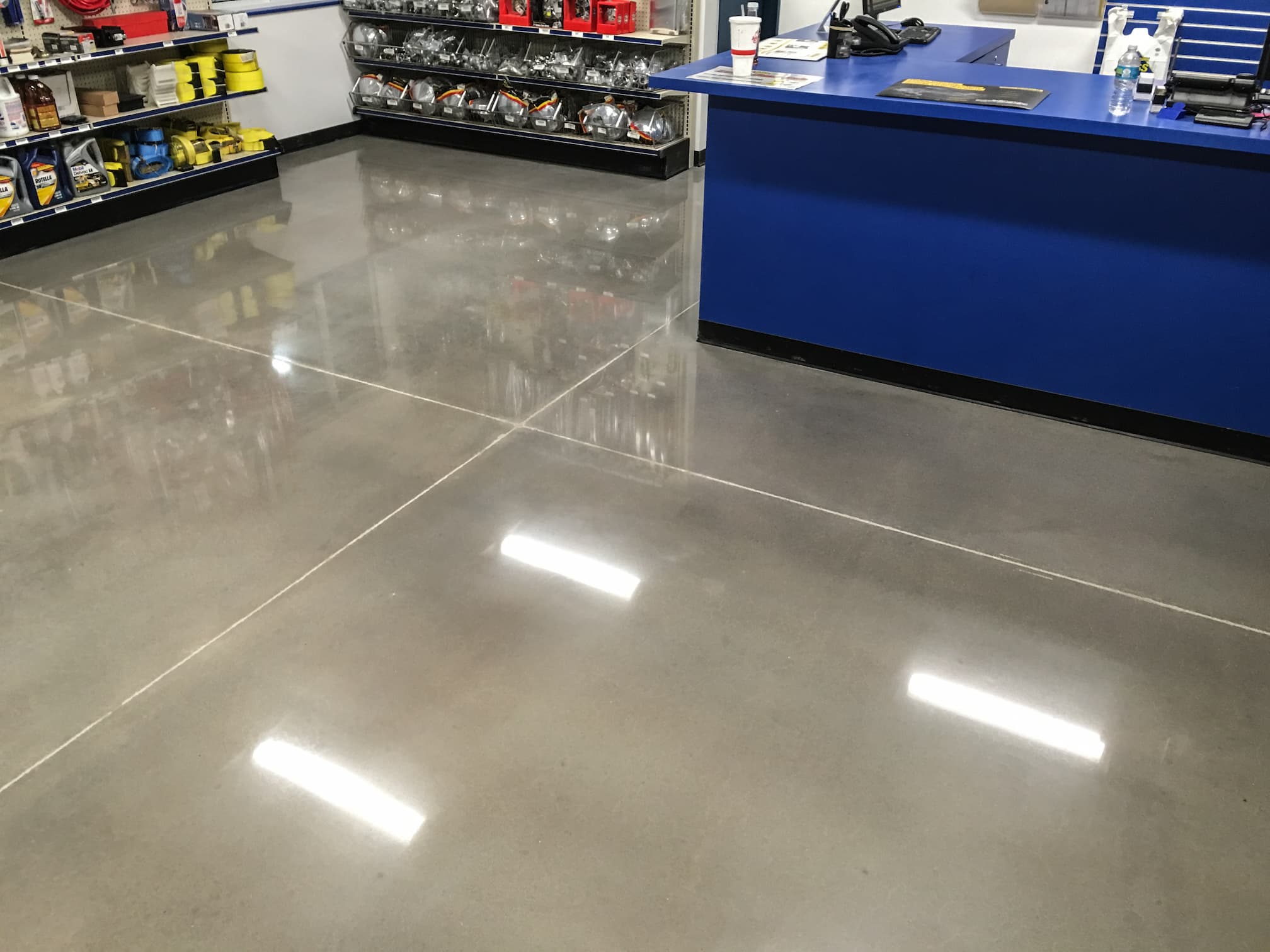
- Retail stores and showrooms – Sleek, modern look with easy upkeep
- Food and beverage plants – Complies with hygiene standards
For any space that sees a lot of action — from carts and crates to grease and chemicals — epoxy offers a solid, dependable surface. It’s why it’s trusted in some of the most demanding settings.
What is Garage Epoxy?
Of all the places people install epoxy floors, the garage might be the most popular — especially for homeowners.
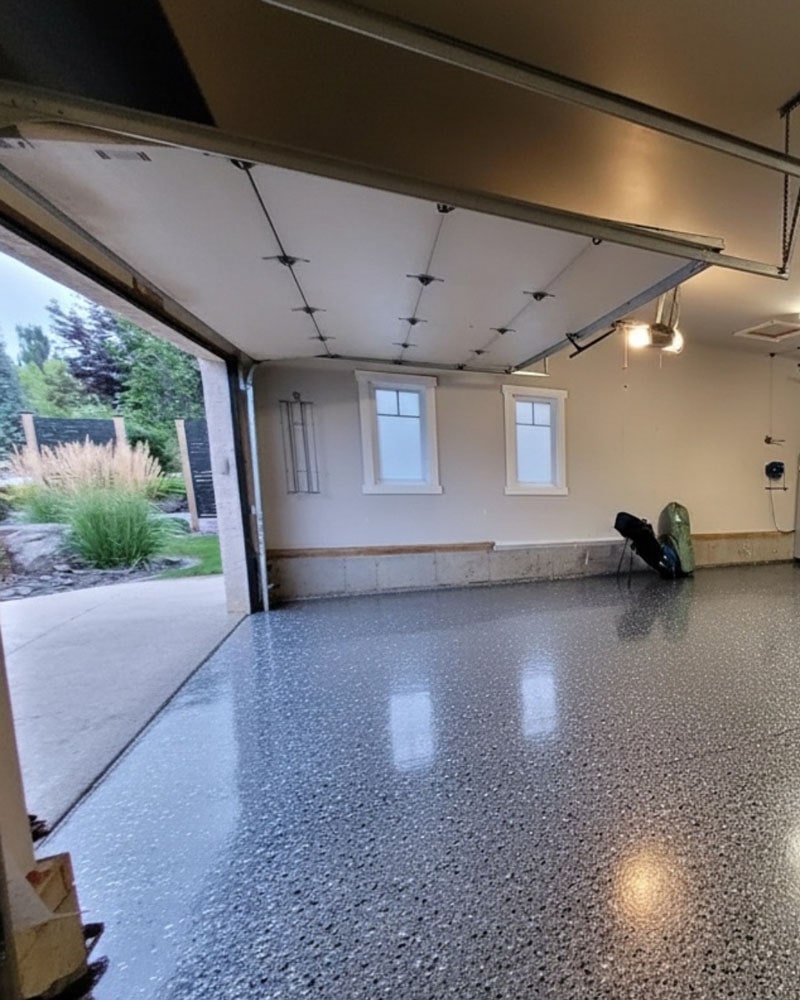
Why? Concrete garage slabs take a lot of abuse: vehicle traffic, oil leaks, salt from winter roads, and plenty of moisture. Garage epoxy gives your floor a thick, sealed finish that won’t stain, crack, or dust up.
What Is Epoxy Flooring for Garage Use
Garage systems usually involve:
- Primer coat – To ensure strong adhesion
- Base epoxy layer – Tinted or clear
- Decorative flakes or quartz – Optional for texture and design
- Topcoat – For added durability and UV resistance
What Is Epoxy Garage Floor Performance Like?
Expect better durability, easier cleaning, and a cleaner-looking space overall. Plus, if you’re into cars or tools, epoxy adds a polished, professional feel to your setup.
What Is Epoxy Paint?
This one gets confusing: what is epoxy paint?
At the store, you’ll see products labeled as epoxy paint — but most are just latex or acrylic paint with a splash of epoxy resin. They’re not the real deal.
True epoxy paint is a two-part system that requires mixing before application. Once cured, it creates a hard, durable surface — unlike “1-part epoxy paints” that are easier to apply but wear out faster.
So if you’re looking for performance, skip the label and check the ingredients. Two parts? Good. One part? It’s just paint.
What Is Epoxy Concrete?
Some people refer to epoxy concrete, but the phrase can be misleading.
What Is Epoxy Concrete Really?
It usually means a concrete slab that has been coated with epoxy resin. But in some cases, it can also refer to concrete repaired or resurfaced with epoxy-modified compounds.
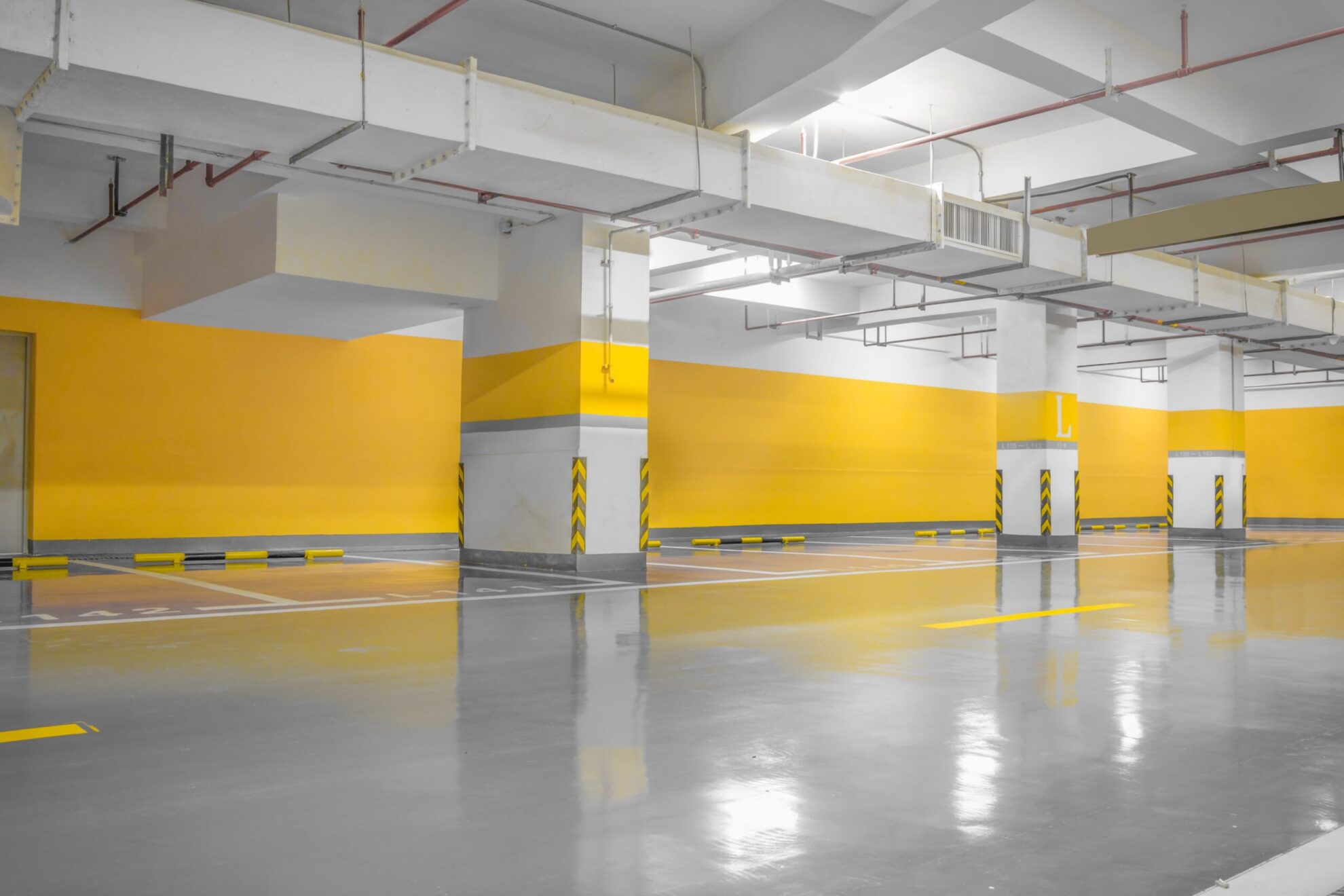
In flooring terms, it nearly always refers to epoxy applied to the surface of standard concrete — to make it stronger, stain-resistant, and more attractive.
What Is Epoxy Flooring Made Of?
A full epoxy floor system isn’t just one layer. It’s a process — and each step matters.
Typical layers include:
- Moisture vapor barrier (optional) – Helps prevent bubbling
- Primer – Binds the epoxy to the concrete
- Base coat – The core layer of epoxy resin
- Decorative layer – Chips, flakes, or metallic pigments
- Topcoat – Seals and protects the finish
Additives can also be included to increase UV resistance, slip resistance, or chemical protection.
Together, these layers create a floor that looks good and holds up — year after year.
Benefits of Epoxy Flooring
Let’s not sugarcoat it — epoxy floors perform. When properly installed, they check a lot of boxes for both residential and commercial spaces.
Top benefits include:
- Durability – Stands up to impact, heat, and abrasion
- Chemical resistance – Great for shops, garages, and factories
- Low maintenance – Easy to sweep and mop
- Customizable looks – Colors, textures, and finishes
- Hygienic and seamless – No grout or gaps for dirt
Epoxy flooring turns concrete into a clean, high-performance surface that stays looking sharp with minimal effort.
Drawbacks to Consider
As strong as epoxy is, it’s not without its downsides. Here are a few to think about before installing:
- Moisture issues – Can peel if the concrete isn’t dry
- Tricky install – Surface prep and timing are everything
- Slippery when wet – Unless anti-slip additives are used
- Long cure time – May need 48–72 hours before heavy use
- UV sensitivity – Some types yellow with sun exposure
For best results, epoxy floors are best installed by professionals with the right tools and prep process.
What Is Epoxy Used For Beyond Floors?
Epoxy’s strength and versatility make it popular outside of flooring too. Here’s where else it shows up:
- Countertops and tabletops – Especially for resin pours or “river tables”
- Crafts and jewelry – Clear resin art and molds
- Boat and automotive repairs – Bonds well with fiberglass and metal
- Structural adhesives – For wood, concrete, and steel
- Electrical insulation – Used in industrial electronics
No matter the setting, epoxy is used when strength, bonding, and durability matter.
FAQs About Epoxy Flooring
Final Thoughts
So, what is an epoxy floor?
It’s more than a surface — it’s a bonded, chemical-resistant layer that protects concrete, keeps spaces clean, and stands up to everything from heavy traffic to oil spills.
Whether you’re upgrading a home garage or fitting out an entire warehouse, epoxy flooring offers long-term peace of mind with every step.
Call Epoxy Dudes to schedule your free site assessment today!